Google Ads vs Meta Ads: which brings in more leads? Ask ten marketers and you will get ten different answers, because the two platforms do fundamentally different jobs. Google Ads captures demand that already exists. Meta Ads, on Facebook and Instagram, creates demand that did not exist yet. Understanding that difference is the key to spending your budget well.
This guide compares the two platforms on intent, cost, lead quality, creative, tracking and industry fit, and shows how to decide where to start and when to use both.
In this guide
- Google Ads vs Meta Ads at a glance
- How Google Ads generates leads
- How Meta Ads generates leads
- Which platform should you start with?
- When to use both
- What matters more than the platform
- Budget: how much should you spend?
- Example: a clinic choosing between Google and Meta
- Common mistakes on each platform
- A simple 90-day plan
- Google Ads vs Meta Ads: FAQs
Key takeaways
- Google Ads reaches people who are actively searching, so intent and lead quality are usually higher.
- Meta Ads reaches people while they scroll, so you can create demand and sell visually, often at a lower cost per click.
- High-intent services usually start with Google; visual and lifestyle offers usually start with Meta.
- Tracking, landing pages and fast follow-up matter more than the platform you choose.
- Most growing businesses get the best results by combining both.

Google Ads vs Meta Ads at a glance
| Google Ads | Meta Ads | |
|---|---|---|
| How people find you | They search for it | You interrupt their scroll |
| Intent | High | Low to medium |
| Cost per click | Often higher | Often lower |
| Lead quality | Usually higher | Varies, needs qualification |
| Creative | Mostly text | Images and video |
| Best for | Urgent and high-intent services | Visual products, launches, awareness |
How Google Ads generates leads
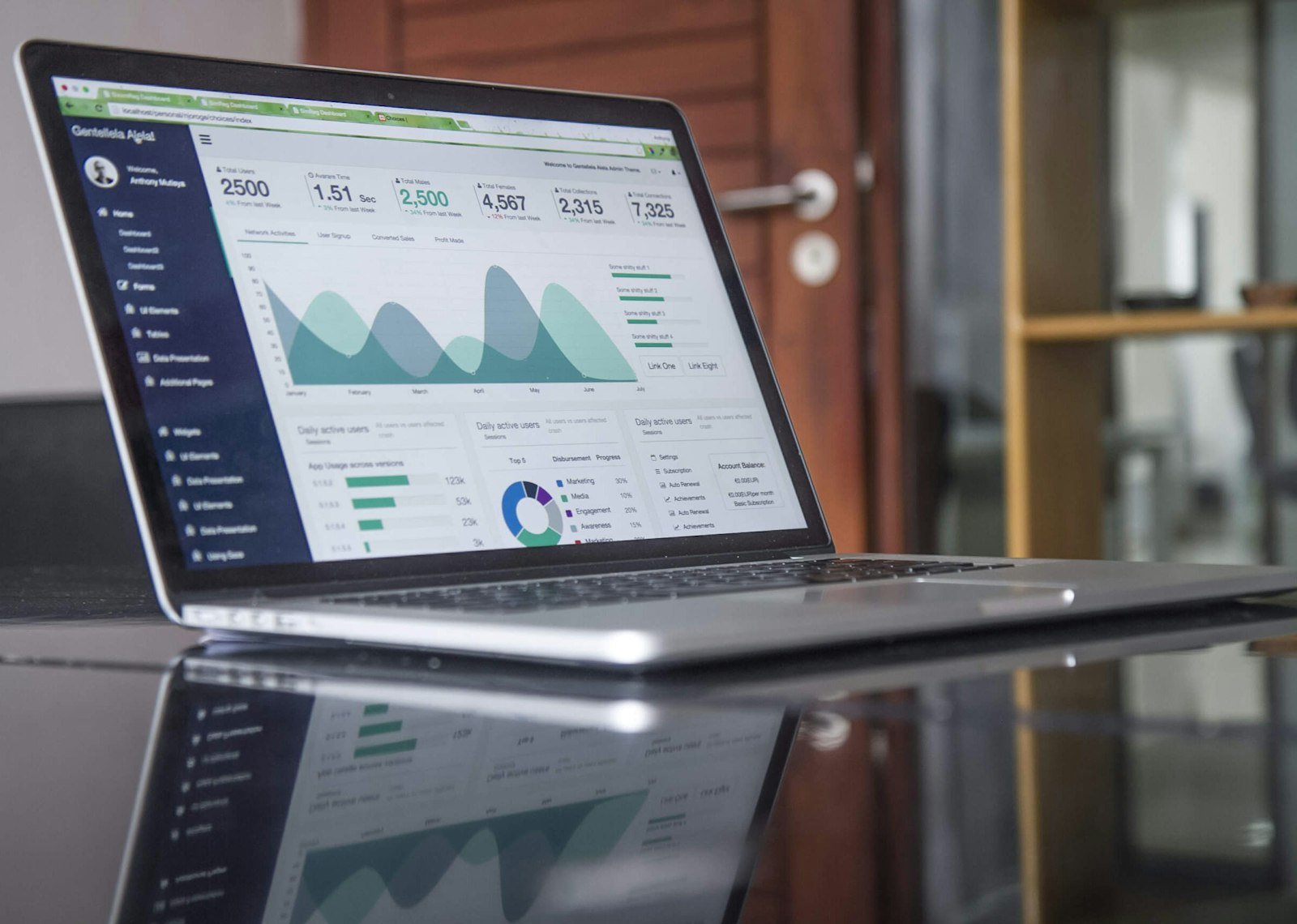
Search ads appear when someone types a query such as “emergency plumber near me”, “accountant for startups” or “custom CRM development”. Because the person is actively looking, conversion rates are often strong. The trade-off is cost: in competitive industries, clicks can be expensive, so precise keywords, negative keywords and highly relevant landing pages are essential.
Beyond Search, Performance Max, YouTube and Display campaigns extend reach, but for most lead-generation businesses tightly controlled Search campaigns are the foundation.
Campaigns, keywords and bidding are all managed in Google Ads; start with tightly themed ad groups and exact or phrase match keywords so you only pay for high-intent searches.
How Meta Ads generates leads
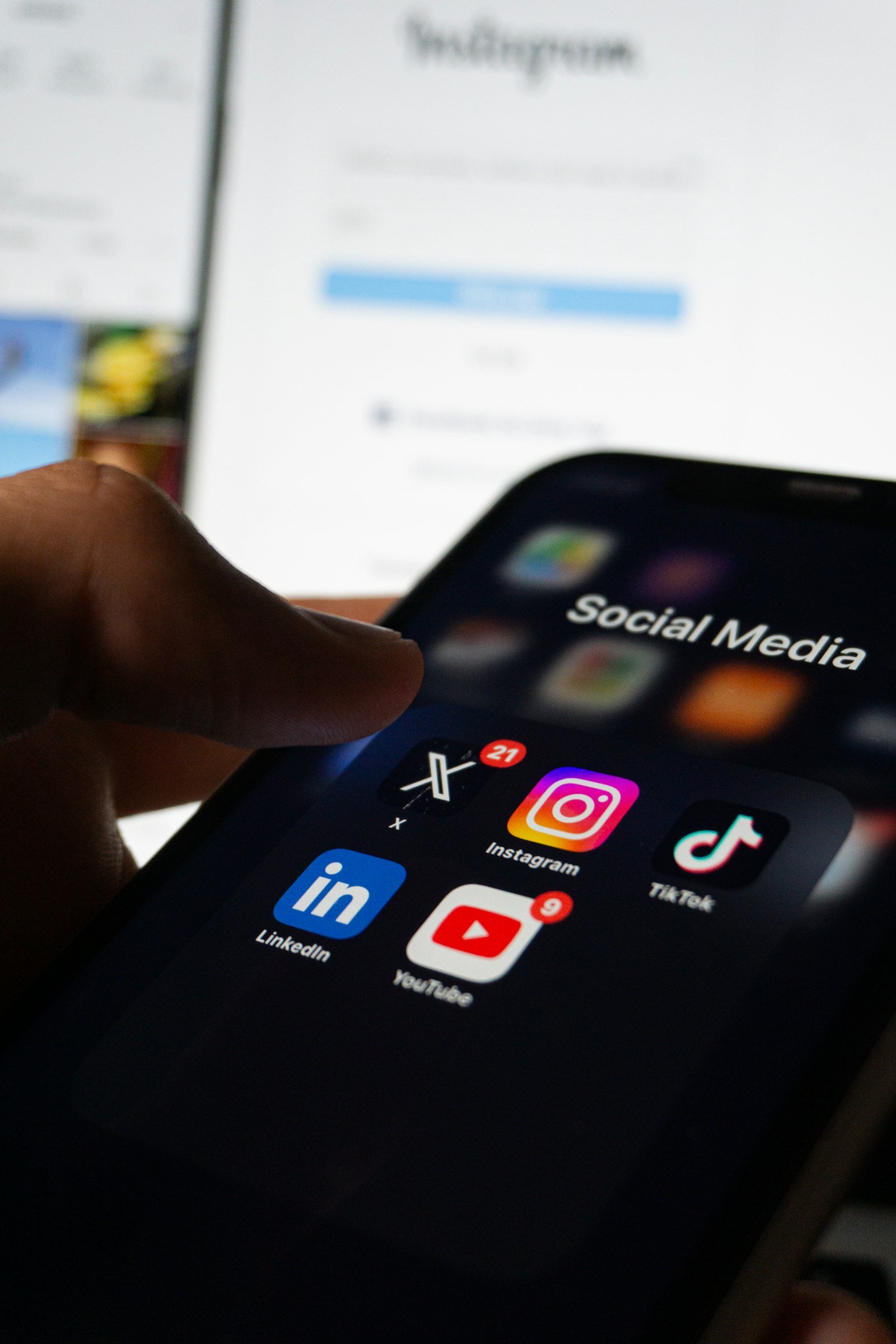
Meta shows ads to people based on interests and behavior while they scroll Facebook and Instagram. Clicks are often cheaper and creative can tell a richer story through images, carousels and short videos. Because people are earlier in their buying journey, lead quality depends heavily on the offer, qualifying questions in your forms and how quickly you follow up, ideally within minutes on WhatsApp or by phone.
Meta’s advertising overview covers objectives and placements, and the Conversions API sends lead events from your server, which keeps tracking accurate as browser cookies become less reliable.
Which platform should you start with?
| Business type | Start with | Why |
|---|---|---|
| Legal, medical, home services | Google Ads | Urgent, high-intent searches |
| B2B software and agencies | Google Ads | Buyers research solutions actively |
| E-commerce and D2C | Meta Ads | Visual products and impulse buying |
| Real estate launches | Meta Ads | Creating interest in new projects |
| Education and coaching | Both | Search for intent, Meta for awareness |
| Restaurants and hospitality | Meta Ads | Appetite appeal and local reach |
When to use both
The two platforms reinforce each other. Meta builds awareness and retargets website visitors; Google captures people when they finally search for your brand or service. A common structure is to secure your high-intent Google Search campaigns first, then add Meta to grow demand and retarget, moving budget toward whichever delivers the lowest cost per qualified lead.
What matters more than the platform
- Accurate conversion tracking, including form fills, calls and WhatsApp clicks.
- A landing page that matches the ad’s promise and loads fast on mobile.
- A clear, specific offer, such as a free audit, consultation or quote.
- Fast follow-up. Leads contacted within minutes convert far better.
- Optimizing for qualified leads, not cheap clicks.
Track both platforms in one place, for example Google Analytics plus your CRM, so you compare real cost per qualified lead rather than each platform’s self-reported conversions.
Budget: how much should you spend?
There is no universal number. Estimate the cost per lead in your industry, decide how many leads you need, and start with a test budget large enough to gather meaningful data, usually a few weeks of consistent spend. Then scale what works and cut what doesn’t.
Example: a clinic choosing between Google and Meta
Consider a dermatology clinic that wants more consultations. On Google, it bids on searches like “acne treatment near me” and “laser hair removal clinic”. These leads are ready to book, but competition pushes click costs up, so the clinic focuses on a small set of high-value treatments and sends traffic to dedicated landing pages with prices, before-and-after results and a WhatsApp button.
On Meta, the same clinic runs short videos explaining treatments and a limited-time consultation offer. Leads are cheaper but less ready, so a lead form asks which treatment they are interested in and when they want to start, and the clinic follows up within minutes. Website visitors who did not book are retargeted with testimonials. After a few weeks of data, the clinic shifts budget toward whichever channel delivers the lowest cost per booked consultation, not the lowest cost per click.
Common mistakes on each platform
Google Ads mistakes
- Using broad keywords without negative keywords, paying for irrelevant searches.
- Sending all traffic to the homepage instead of matching landing pages.
- Letting automated campaigns optimize for cheap but low-quality conversions.
- Not tracking phone calls and WhatsApp clicks.
Meta Ads mistakes
- Running the same creative for months until performance collapses.
- Using lead forms that are too easy, which attracts low-intent sign-ups.
- Not sending lead quality data back through the Conversions API.
- Judging campaigns after only a few days of data.
A simple 90-day plan
- Weeks 1 to 2: set up tracking, landing pages and lead follow-up processes.
- Weeks 3 to 6: launch on your primary platform with a test budget and gather data.
- Weeks 7 to 10: cut what does not work, scale what does, and test the second platform.
- Weeks 11 to 13: compare cost per qualified lead across both platforms and set your ongoing budget split.
Related guides
- WhatsApp AI Chatbot for Business: The 2026 Guide for the GCC and India
- Shopify vs WooCommerce in 2026: Which Should You Choose?
- Website Redesign Checklist: How to Redesign Without Losing SEO
Google Ads vs Meta Ads: FAQs
Often, yes, because people are earlier in their journey. Qualifying questions, a stronger offer and sending lead quality data back to Meta all improve results.
Yes, especially for retargeting, events and lead magnets. Many B2B companies combine Google Search, LinkedIn and Meta retargeting.
Leads can arrive within days, but expect a four to eight week learning period before costs stabilize.
Get help with paid ads
Purple Rocket runs Google Ads and Meta Ads campaigns for businesses in the US, UK and Europe, the GCC and India, with landing pages built to convert. Read how a paid ads system helped one business reach six figures in 90 days, or get a free account review.